|
CAD for leather goods and small leather goods |  |
 |
 |
|
CAD for leather goods and small leather goods | |
|
|
| Mozart | Liszt | Virtual-Design | Support | Contacts |
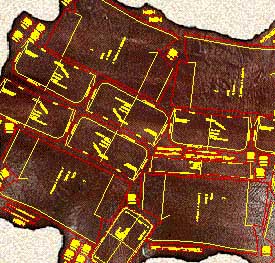
| Mozart is a CAD realized following the requests and
suggestions of leather goods pattern-makers to simplify and expand their work being
them free to design according to their ideas. Mozart requires AutoCAD® or ZWCAD®. The license of Mozart does not include the license of AutoCAD® or ZWCAD® Mozart 8 is available for AutoCAD® up to version 2026 and for ZWCAD® up to version 2025. |
|
Quick learning Built on pattern-makers' requirements Mozart shares his working method giving full liberty to design the model. The pattern-maker can concentrate himself on the model to be realized. He does not have to code the materials or pieces before or during the drawing. Freely customizable The user can easily change many settings of Mozart: colors, the method of calculating the bill of materials and the bill of working times and many other parameters. Mozart can also load and use custom toolbars, scripts and commands written by the user. |
|
|
Flexibility The user is free to choose the names of the patterns and their hierarchy. Each pattern is a single file and Brands, Lines, Seasons etc. can be organized by folders. Each pattern is independent from the others and can be copied or moved in whole or in part from one folder to another like any other file. The bill of materials and the bill of working times can be performed in different ways and the reports are produced as ASCII text or Excel document. |
|
Data exchange The patterns can be read using many others CAD programs. The cutting can be done using a wide range of machines from vertical or flatbed plotters to knife, laser or water-jet cutting machines. The bill of materials, the bill of accessories and the bill of working times can be exported to others data management systems. Development The open structure of Mozart means it can be constantly improved according to users suggestions and requests. The upgrade of Mozart does not oblige the user to upgrade the other components of the CAD system. Plug-ins increase the power and the flexibility of Mozart. |
|
| Plug-ins add specific functions to Mozart. The user himself can write his own plug-ins, Mozart will automatically load them. Plug-ins allow to customize Mozart's installations to the needs of the user and reduce the cost because they avoid the purchase of what is not needed. Users can request the development of personal plug-ins to create special reports or drawing functions. On request personal plug-ins are not available to other users in order to protect their confidentiality. |
Is the uncut version "better"? That depends on your stomach. The censored versions are easier to survive. But the uncut version is the only one that achieves its goal: to make you hate the filmmaker, the system, and yourself for watching. It is a film designed to be illegal.
Final note: The director has since released a "Making of" documentary (A Serbian Film: The Ripple Effect) where he admits he regrets the "Newborn" scene's execution but stands by the uncut runtime. "If you cut the film," he says, "you are protecting the very monsters I wanted you to see."
The story of the "Uncut" version of A Serbian Film (2010) is less about hidden plot points and more about a global tug-of-war between a director's extreme vision and international censors. While many movies have "Director's Cuts" that add character depth, the uncut version of A Serbian Film
(104 minutes) is defined by its refusal to look away from the most graphic scenes of sexual violence and taboo. The Core Conflict: Art vs. Censorship
The film's director, Srđan Spasojević, maintains that the movie's excessive brutality is a political metaphor for the "victimization" of the Serbian people by their own government and the global community. However, censors worldwide saw it differently, leading to a fragmented release history: The United Kingdom : In 2010, the British Board of Film Classification (BBFC) 49 individual cuts
, totaling 4 minutes and 11 seconds, to grant it an "18" rating. It became the most heavily censored film in the UK in 16 years. : The cuts were even more severe, with roughly 13 minutes of violence removed to secure a legal release. Australia & Others
: The film was "Refused Classification" (effectively banned) multiple times in Australia and was similarly banned in New Zealand, Norway, and Spain. What is actually "Uncut"?
The Uncut Truth: A Deep Dive into the Uncensored Version of a Serbian Film
The world of cinema is often shrouded in controversy, with certain films pushing the boundaries of what's considered acceptable. One such film that has sparked intense debate is "A Serbian Film" (also known as "Filippos"), a 2011 drama directed by Emir Kusturica. The film's uncut version, in particular, has been a topic of interest among cinephiles and censorship enthusiasts. In this blog post, we'll explore the differences between the censored and uncensored versions of "A Serbian Film" and what implications these changes have on the overall narrative.
What is "A Serbian Film" about?
For the uninitiated, "A Serbian Film" tells the story of Filip Ilić (played by Slavoljub Srbljanović), a former porn star who returns to Serbia after a long absence. Upon his return, he's confronted with the harsh realities of his homeland, which has become a morally bankrupt and violent society. The film is a scathing critique of modern Serbia, tackling themes of nationalism, corruption, and the objectification of women.
The Censored vs. Uncut Version: What's the difference?
The original version of "A Serbian Film" was met with intense backlash in Serbia, with many critics deeming it too graphic and offensive. As a result, the film was heavily censored, with several scenes either edited out or toned down. The uncut version, on the other hand, presents a more unflinching and raw portrayal of the story.
Here are some key differences between the two versions:
Why does the uncut version matter?
The uncut version of "A Serbian Film" is more than just a curiosity for fans of the director or censorship enthusiasts. It represents a vital aspect of artistic expression and the importance of presenting a filmmaker's vision in its entirety.
Conclusion
The uncut version of "A Serbian Film" is a vital component of the cinematic landscape, offering a raw and unflinching portrayal of a society in crisis. While the censored version may be more palatable to a wider audience, the uncut version represents a courageous and uncompromising artistic statement. For those interested in exploring the boundaries of cinema and the power of artistic expression, the uncut version of "A Serbian Film" is an essential watch.
Sources:
Share your thoughts:
Have you seen the uncut version of "A Serbian Film"? What are your thoughts on the differences between the censored and uncensored versions? Share your opinions in the comments below!
A Serbian Film (2010) is a controversial psychological horror film directed by Srđan Spasojević, widely recognized as one of the most disturbing movies ever made. While notorious for its graphic content, the film is intended as a political allegory for the exploitation of the Serbian people and a critique of political correctness. Full Version vs. Cut Versions
The "full" or uncensored version of the film typically has a runtime of approximately 104 minutes. Because of its extreme content, it faced significant censorship globally, leading to various cut versions:
Title: "Echoes of the Past: A Serbian Tale of Two Eras"
Introduction
Serbia, a country in Southeastern Europe, has undergone significant transformations over the years. From the socialist Yugoslavia era to the modern-day independent state, Serbia has experienced profound changes in lifestyle and entertainment. This film explores the contrasts between the past and present, shedding light on the evolution of Serbian society.
The Past: Socialist Yugoslavia (1945-2000)
In the aftermath of World War II, Serbia, as part of socialist Yugoslavia, underwent a period of significant social and economic change. The country was under the leadership of Josip Broz Tito, who implemented policies aimed at creating a socialist utopia. During this era:
The Present: Modern Serbia (2000-Present)
After gaining independence in 2006, Serbia began to transition towards a more liberal economy and democratic society. This shift has had a profound impact on lifestyle and entertainment:
Contrasts and Reflections
The film explores the tensions and benefits of these two eras, highlighting the following contrasts:
Themes and Messages
Through the lens of lifestyle and entertainment, the film touches on universal themes:
Conclusion
"Echoes of the Past: A Serbian Tale of Two Eras" offers a nuanced exploration of Serbia's transformation, inviting viewers to reflect on the complex interplay between tradition and progress, community and individualism, and cultural identity. By delving into the differences in lifestyle and entertainment between two eras, the film provides a rich and thought-provoking portrayal of a nation's journey through time.
The uncut version of A Serbian Film (2010) restores approximately four minutes of graphic footage that was removed or censored in various international releases to avoid legal bans or to secure a commercial rating.
While most "cut" versions remove specific visuals to lessen the film's extreme nature, the uncut version retains every frame of the director’s original vision. Key Differences in the Uncut Version
The following scenes contain the most significant differences compared to the censored versions:
The "Newborn Porn" Scene: This is the most infamous sequence. In censored versions (like the UK's BBFC cut), this scene is often removed entirely or heavily truncated to avoid showing any interaction involving the infant. The uncut version includes the full, graphic sequence.
The Victim's Decapitation: During a scene involving a woman and a machete, censored versions often cut away before the impact or blur the gore. The uncut version shows the full act of decapitation and the subsequent graphic aftermath.
Sexual Violence and Gore: Various scenes involving sexual assault are lengthened in the uncut version. Censored versions typically use quick cuts to imply the violence, whereas the uncut version shows the full duration of the choreography, including more explicit practical effects and blood.
The Climax: The final sequence involving the protagonist Milos and his family is frequently trimmed in edited releases. The uncut version features more lingering shots of the tragic and graphic results of the film's "snuff" plotline. Regional Censorship Examples
Because of its content, the "cut" versions vary significantly by country:
United Kingdom (BBFC): Known for some of the strictest cuts, the BBFC mandated over 4 minutes of removals, specifically targeting scenes they deemed to have "no place in a civilized society."
United States: The standard "R-rated" or "Unrated" (but still edited) versions often trimmed the most extreme gore to allow for distribution through major retailers.
Australia and Germany: The film faced total bans or severe "SPIO/JK" edits in these regions before uncut versions became available via specialized cult-cinema distributors. How to Identify the Uncut Version
The uncut version usually has a runtime of approximately 104 minutes. Many edited versions, particularly those released in the UK or the US "R-rated" cut, run closer to 99 or 100 minutes.
Most cuts fall into three categories: Pedophilia implication, necrophilia duration, and the "Newborn Porn" sequence. a serbian film uncut version differences
A Serbian Film (2010) is infamous for being one of the most censored films in modern history, with its "uncut" status varying wildly depending on which country’s release you find. Key Version Differences
The differences between the original uncut version and the various international releases often come down to minutes of graphic footage removed to avoid outright bans.
Original Uncut Version (104 Minutes): The full, intended vision of director Srđan Spasojević, containing all extreme scenes involving violence, sexualized violence, and the notorious "newborn" sequence.
UK (BBFC) Cut (99 Minutes): One of the most heavily censored versions, shorn of 4 minutes and 11 seconds. The BBFC specifically targeted sequences juxtaposing images of children with sexual violence.
US NC-17 Cut (98–103 Minutes): The theatrical NC-17 release was missing about one minute of footage to meet rating standards. However, an "Unrated" version later released by Unearthed Films is considered the complete 104-minute uncut version.
Germany (FSK) Cut (89–91 Minutes): This is the most edited version, with approximately 13 to 20 minutes removed to secure a "Not under 18" rating.
Australia (RC): Originally banned (Refused Classification), it was later released in a modified 97-minute version that still received an R18+ rating. Specific Scene Censorship Censors typically focused on three main types of content:
Violence toward children: Many cuts remove shots where children appear in the same frame as sexual or violent acts.
Sexual violence: Shots that censors felt "eroticized" or "endorsed" sexual violence were trimmed.
Murder sequences: Extreme kills, such as the "murder-by-fellatio," were often shortened or removed entirely.
For a deeper look into why these specific scenes caused such a global legal firestorm, this analysis covers the film's extreme history: The Hollow Extremes of A SERBIAN FILM In/Frame/Out YouTube• Oct 18, 2021 Rumored "Extended" Versions
A common internet rumor claims that the uncut version contains a "Scene 3" where Milos breastfeeds from an old woman. This is false. That scene is not in any release, cut or uncut. It was a storyboard idea that was never filmed. Do not let clickbait articles confuse you.
When A Serbian Film premiered at the 2010 SXSW Film Festival, it didn't just shock audiences—it fundamentally challenged the legal definitions of art versus obscenity. Directed by Srđan Spasojević, the film is a political allegory about the exploitation of Serbia itself. However, for most viewers, the allegory is buried under 104 minutes of relentless depravity.
To understand the film’s legacy, one must understand the "Uncut Version" (often called the "Uncensored" or "Director's Cut"). Here is a breakdown of what was removed—and why those few minutes change the entire experience.
Few movies in the history of cinema have generated as much controversy, outrage, and moral panic as Srđan Spasojević’s 2010 debut feature, A Serbian Film (Srpski film). Banned in numerous countries and heavily cut in others, the film has become a litmus test for the boundaries of artistic expression and on-screen violence.
For viewers trying to understand the film's lore, the confusion often lies in the multiple versions available. There is the original "Uncut" version, various censored theatrical releases, and a heavily truncated "MPAA Unrated" version. Is the uncut version "better"
Here is a detailed breakdown of the differences between the uncut version and the censored versions, specifically focusing on the scenes that were altered or removed to satisfy censorship boards.