-

Sign In

-
Sign Out
-

Don’t miss out on valuable benefits & tool functionality
(Valli brings out a plate with two glasses.)
Valli: You drink?
Arjun: (Smug) Only activated charcoal kombucha. And sometimes, on Fridays, Pinot Noir.
Valli: Good. (Pours a thick brown liquid into a glass) Drink this.
Arjun: What is this? Looks like diesel.
Valli: Kumbakonam Degree Coffee. The filter is 3 days old. It’ll put hair on your chest.
Arjun: I prefer a flat white.
Valli: (Picks up a chappal) Either you drink this flat brown, or I make your face flat white.
(Arjun chugs the coffee. His eyes bulge. He starts coughing.)
Arjun: (Crying) Too... strong!
Valli: (Nods) He passed. Auto kannan, go to next test.
Arjun: Next test?! I am not a lab rat!
Kannan: Shut up. In our village, the groom candidate must cut a coconut from the tree with one hand.
Arjun: I have a Swiss knife.
Valli: Swiss nu solladha. Idhu Neer knife. Go.
(Arjun tries to climb the fake coconut tree cutout. He slips. He pretends to fall. Valli rolls her eyes.)
Writing a Tamil comedy script is like making kuzhi paniyaram – you need the right heat, the right batter, and you need to flip it at the exact moment. Start by watching the classics: Samsaram Adhu Minsaram, Kaadhala Kaadhala, Panchathanthiram, and modern hits like Soodhu Kavvum or Jigarthanda.
Don't try to be funny. Try to be true. The funniest Tamil scripts are not about jokes; they are about honest, flawed, loud, and loving Tamil people stuck in impossible situations.
Now, sit down, open a blank document, and write this line:
"Enna da idhu? Naan sonnadhu onnu, nadandhadhu onnu..."
The rest will follow. Good luck.
Call to Action: If you’ve finished your Tamil comedy script, share the first 10 pages in the comments below for feedback. Or, use the structure above to convert a serious scene from a famous movie into a comedy scene – that’s the best practice.
Sir, my strength is very high power. If I start a work, I finish it before I even start it. (Confused) Wait, how is that possible?
Fast and Furious sir! I don't wait for time. Time waits for me, but I don't give it an appointment. Okay... and what about your weaknesses? Weakness-ah? Adhu vandhu... I am too much honest, sir. Well, honesty isn't really a weakness. I don't care what you think, sir. That’s my honesty! (Rubbing temples) Do you have any experience in Marketing?
Marketing-la naan "King" sir. Oru thadava oru mirror-u munaadi ninutu, ennaiye enaku seat mela ukkara vechu sell panniruven. (In Marketing, I am King, sir. Once I stood in front of a mirror and sold myself a seat on top of a seat.) Pandi, please leave. We’ll call you.
Don't call sir, just send a WhatsApp. Signal is weak in my "Area." Quick Tips for Tamil Comedy Posts Style Like the Legends
: If you want a classic vibe, draw inspiration from the witty wordplay of Crazy Mohan or the iconic slapstick duo Goundamani and Senthil Use Catchy Captions : Pair your video with Motivational or Funny Tamil Captions like "Life is Crazy!" to grab attention. Modern Vibes
: For contemporary "Dark Comedy" styles, look at recent hits like for inspiration. different theme , like a "Customer vs. Shopkeeper" or "First Date"?
Writing a comedy script.. "Take things easy.. Life is Crazy!"
The Art of Tamil Comedy Script: A Deep Dive into the World of Laughter
Tamil cinema, also known as Kollywood, has been a significant player in the Indian film industry for decades. While it has produced many critically acclaimed films, one genre that has always been a staple of Tamil cinema is comedy. A well-crafted Tamil comedy script has the power to make audiences laugh out loud, and it's a delicate art that requires a deep understanding of the nuances of humor, culture, and language. In this article, we'll explore the world of Tamil comedy script, its evolution, and what makes it so unique.
The Early Days of Tamil Comedy
Tamil cinema's journey began in the 1930s, and comedy was an integral part of it from the beginning. The early Tamil comedies were largely influenced by silent films and were characterized by slapstick humor, physical comedy, and exaggerated expressions. These comedies were often short, lighthearted, and entertaining, with a focus on showcasing the actor's skills rather than telling a complex story.
As Tamil cinema evolved, so did its comedy. The 1950s and 1960s saw the rise of legendary comedians like N.S. Krishnan and T. K. S. Saravanan, who became household names with their impeccable timing and wit. Their comedies were often centered around social issues, but with a humorous twist. tamil comedy script
The Golden Era of Tamil Comedy
The 1980s and 1990s are often referred to as the golden era of Tamil comedy. This period saw the emergence of talented comedians like Goundamani, Senthil, and Vadivelu, who redefined the genre with their unique brand of humor. Their comedies were often masala films, with a mix of action, romance, and humor.
The scripts of this era were characterized by clever wordplay, satire, and absurdity. Writers like M. Karunanidhi, K. Balachander, and P. Vasu created some of the most iconic Tamil comedies, including films like "Theeya Velai Seiyyanum Kumaru" (1984), "Chocklet" (1989), and "Pappu Pappu" (1995).
Modern Tamil Comedy
In recent years, Tamil comedy has undergone a significant transformation. The rise of new-age comedians like Premji, Venkat Prabhu, and Santhosh Narayanan has brought a fresh perspective to the genre. Modern Tamil comedies often tackle complex themes like social inequality, politics, and technology.
The scripts of contemporary Tamil comedies are more nuanced and layered, often incorporating elements of satire, irony, and absurdity. Films like "3 Idiots" (2010), "Udhayam NH4" (2013), and "Jigarthanda" (2014) have pushed the boundaries of Tamil comedy, experimenting with new formats and narrative styles.
Key Elements of a Tamil Comedy Script
So, what makes a Tamil comedy script tick? Here are some essential elements:
Challenges of Writing a Tamil Comedy Script
Writing a Tamil comedy script is no easy feat. Here are some challenges that writers face:
Conclusion
The art of Tamil comedy script is a delicate balancing act, requiring a deep understanding of language, culture, and humor. From its early days to the present, Tamil comedy has evolved significantly, reflecting the changing tastes and sensibilities of its audience.
As the Tamil film industry continues to grow and evolve, it's exciting to think about what the future holds for Tamil comedy. With a new generation of comedians, writers, and actors emerging, there's no doubt that Tamil comedy will continue to make audiences laugh out loud for years to come.
Top 10 Tamil Comedies of All Time
Top Tamil Comedians
Tamil Comedy Scriptwriters
Writing a compelling Tamil comedy script requires more than just jokes; it involves a deep understanding of cultural nuances, legendary comedic archetypes, and the rhythmic "timing" that defines the genre. Whether you are aiming for the slapstick brilliance of Vadivelu, the social satire of Vivek, or the witty wordplay of Crazy Mohan, 1. Identify Your Comedy Style
Tamil cinema has evolved through several distinct comedic eras, each with its own "blueprint":
The Slapstick King (Vadivelu Style): Often features a "larger-than-life" character with a conceptually flawed plan who faces physical misfortune or clever counter-moves from others.
Witty Wordplay (Crazy Mohan Style): Heavily influenced by P.G. Wodehouse, this style uses overstatement (exaggerating reality), understatement, and style shifts—where a conversation starts normally but takes an absurd turn.
Observational & Satirical (Vivek Style): Focuses on "humor with a message," often mocking social issues like corruption, superstition, or modern lifestyle changes.
Counter-Comedy (Goundamani & Senthil Style): Built on the "insult" dynamic where one character constantly belittles the other’s mistakes with sharp one-liners. 2. Building the Script Structure
A classic Tamil skit or short film script typically follows a 10-part structure to ensure the "payoff" lands effectively:
Introduction: Establish the character as humble or relatable (e.g., a student who loves soccer).
Conflict: Introduce someone who picks on them or a situation they aren't prepared for.
The Mission: The character tries to improve or solve the problem (often through an absurdly flawed plan).
The Fall: Everything goes wrong; the character is easily beaten or humiliated.
The Comeback: A trigger or "magic moment" helps the character find their strength again.
Resolution: A happy or ironic conclusion where the conflict is settled. 3. Writing Iconic Tamil Dialogues
Dialogue in Tamil comedy is known for its rhythm and cadence. Use these tips to make your script "shootable": What's some good advice to writing a funny comedy script?
The Art of the Laugh: A Guide to Writing a Tamil Comedy Script
Comedy is the heartbeat of Tamil cinema and theater. From the legendary wordplay of Cho Ramaswamy to the physical brilliance of Vadivelu and the modern observational wit of stand-up stars, the "Tamil comedy script" has evolved into a sophisticated art form.
Whether you are writing a short YouTube sketch, a stage play, or a feature film sequence, here is how to craft a script that resonates with a Tamil-speaking audience. 1. Understanding the "Comedy of Errors" (Valli brings out a plate with two glasses
Most successful Tamil comedy scripts are built on confusion. In Tamil culture, the concept of "Kalyana Galatta" (wedding chaos) or "Misfit in a City" are goldmines.
The Misunderstanding: Two characters talking about completely different things while thinking they are on the same page.
The Pretender: A hero or comedian pretending to be someone they aren't (e.g., a fake doctor or a wealthy NRI). 2. Dialects and Wordplay (Sonna Puriyathu)
Tamil is a language of rich dialects. A great script uses regional variations to create humor: Madurai Slang: Known for its boldness and "Gethu."
Chennai Bashai: Perfect for fast-paced, witty retorts and "Kalaipus."
Kongu Tamil: Offers a polite yet hilarious rhythmic quality.
Pro-Tip: Use Double Entendre (Sleeper jokes) or Punny names. Names like "Encounter Ekambaram" or "Vandu Murugan" immediately set a comedic tone before the character even speaks. 3. The Classic "Counter" Culture
Tamil comedy thrives on the "Counter Dialogue." This is where one character makes a statement and the other shuts it down with a lightning-fast sarcastic remark. Character A: "I’ve decided to climb Mount Everest!"
Character B: "First climb the steps to our house without panting, then we’ll see." 4. Sample Script Structure: "The Job Interview"
If you are looking for a template, here is a short snippet of a typical Tamil comedy setup:
Scene: An upscale office. Mani (a nervous job seeker) and The Boss (strict but eccentric). MANI: (Sweating) Sir, I have 10 years of experience. BOSS: 10 years? In what?
MANI: Expecting a job, sir. Since I finished college, my only full-time job has been waiting for an interview call. BOSS: (Stares) Do you know English?
MANI: Konjam konjam (Little bit) sir. I can understand what the hero says in English movies, but only when the subtitles are in Tamil. BOSS: Get out!
MANI: Sir, is "Get out" an offer or an order? Because if it’s an offer, I’m taking it! 5. Visual Comedy and Slapstick
Don't forget the Body Language. A Tamil comedy script isn't just about words; it’s about the "Reaction Shots." In your script, include descriptions of exaggerated expressions. Think of the "Vibe" of a Goundamani-Senthil track—the timing of the reaction is just as important as the dialogue. 6. Modern Trends: Relatability Today’s audience loves Relatable Comedy. Topics like: IT office struggles. The struggle of being a "90s Kid" in a Gen Z world. Tamil mothers and their obsession with Tupperware. Conclusion
Writing a Tamil comedy script requires a deep love for the language and an eye for the absurdities of daily life. Focus on the rhythm of the dialogue and the relatability of the situation, and you'll have your audience in stitches.
Tamil comedy scripts are celebrated for their sharp wordplay, situational irony, and deep roots in regional culture [28]. Writing an effective script in this genre requires balancing traditional comedic structures with modern, relatable dialogue. Core Elements of a Tamil Comedy Script Dialogue & Wordplay:
The "Crazy Mohan" style focuses on rapid-fire puns and misunderstandings [12, 16]. Tamil is particularly effective for this because of its many homonyms and regional dialects [28]. The "Vadivelu" Template:
Many successful Tamil comedy tracks follow a structure where a character’s overconfidence leads to a comical downfall [19]. Situational Irony:
Scenes often work by placing characters in awkward or high-stakes environments (like a wedding or an office) where their behavior is out of place [11, 5]. Key Components for Success Description Example Technique Character Wit
Creating characters who are naturally sharp or unintentionally funny. Use a "wise-cracker" vs. a "naive" partner. Social Satire
Including political scenarios or social commentary (popularized by comedians like Vivek). Satirical takes on current events like demonetization. Visual Comedy
Marrying verbal humor with physical actions or an ensemble cast [12]. Mistaken identity or slapstick reactions. Punchlines Using catchy, repeatable one-liners (Punch Dialogues) [19]. "Risk edukarthu ellam rusk saapidra maathiri" [19]. Structural Tips for Writers Start with the Story:
Don't just write a series of jokes; ensure the humor is integrated into a narrative arc [12, 33]. Focus on Relatability:
Use everyday experiences and regional idioms (e.g., "Sangu oothitaanga") to connect with the audience [28, 29]. Plan the "Aapu": In Tamil comedy, the "payoff" or "twist" (the ) is crucial for a satisfying laugh [19]. Use Scripts for Practice: Studying existing scripts, such as Tamil Comedy Drama Excerpts Morattu Single [8], can help you understand the pacing and layout. specific comedy sub-genres like political satire or "Kadi" jokes, or perhaps a template for a short skit
Tamil comedy scripts are a cornerstone of South Indian entertainment, characterized by a unique blend of sharp verbal wordplay, physical slapstick, and socio-political satire
. The evolution of these scripts reflects a transition from silent-era physical humor to the highly sophisticated dialogue-driven "tracks" seen in modern Kollywood. 1. Evolution of Tamil Comedy Writing
The landscape of Tamil comedy has shifted significantly over the last century: Silent Era & Early Talkies
: Initially inspired by Western stars like Charlie Chaplin, early scripts relied on exaggerated expressions. With the arrival of sound, N.S. Krishnan (NSK)
introduced "social satire," using humor to address political and cultural issues. The Slapstick & Sarcasm Phase : Comedians like
brought a more natural, relatable style influenced by Laurel and Hardy. Later, the iconic duo Goundamani and Senthil
dominated with sarcastic, often loud, back-and-forth banter that became a template for rural-based scripts. Modern Wordplay Crazy Mohan
redefined the genre with "irreverent humor" and relentless wordplay. His collaborations with Kamal Haasan, such as Michael Madana Kama Rajan Writing a Tamil comedy script is like making
, are celebrated for their dense, layered dialogue and lack of "wasted scenes". 2. Key Scripting Elements and Techniques
Professional Tamil comedy writing often employs specific linguistic and structural tools: Style Shifts
: A hallmark of writers like Crazy Mohan, where a serious conversation suddenly pivots into a comedic one via a linguistic twist (e.g., changing the meaning of a word mid-sentence). The "Comedy Track"
: Many Tamil scripts feature an independent subplot (the comedy track) that may not directly join the main story but provides a parallel narrative layer. Linguistic Strategies : Scripts frequently use distortion, retorts, rhetorical questions, and malapropisms (misusing words for effect) to create humor. Improvisation
: Unlike Western scripts, Tamil comedy writers often leave room for the comedian's team to improvise based on a basic story prompt. 3. Common Tropes and Structures Kamal Hassan — Crazy Mohan | The Secret To The Comedy
Finding a single "useful paper" for a Tamil comedy script depends on whether you are looking for an academic analysis of humor or actual scriptwriting guides and samples. 1. Academic Analysis of Tamil Comedy
For a deep dive into the linguistic and social structures of Tamil humor, these research papers are highly recommended:
Linguistic Analysis: Vadivelu Dialogues: An Anyone’s Colloquialism and Idiolect explores how famous comedian Vadivelu uses colloquialisms, idiolects, and proverbs to make scripts culturally resonant and universally funny.
Social & Gender Perspective: Gendered Humour in Tamil Cinema examines how comedy scripts reinforce or challenge social hierarchies and patriarchal norms, focusing on audience reception.
Genre Evolution: Analysis Of Popular Tamil Comedy Films Of The Late 80s And Early 90s details how scripts from that era used humor as a coping mechanism for societal issues like unemployment. 2. Practical Scriptwriting Guides & Templates
If you are looking for "papers" in the sense of scripts or writing instructions:
Educational Scripts: You can find a Tamil Comedy Drama Script for Students on Scribd, which includes two famous Sri Lankan Tamil plays, Akkiniperumuchchu and Poochchikalarikum kannimaikal.
Writing Techniques: To learn the "secret" behind legendary scripts, Kamal Hassan — Crazy Mohan | The Secret To The Comedy provides a detailed breakdown of "style shifts" and "wordplay" used by the duo.
General Screenplay Guide: For a step-by-step on how to structure a script, How to write Tamil movie screenplays offers advice on moving from a "spark of a story" to a formatted first draft. 3. Key Elements of a Successful Tamil Comedy Script Based on these resources, a strong script often includes:
Incongruity & Style Shifts: Suddenly changing the tone of a conversation.
Colloquialism: Using local dialects to ground the humor in reality.
Social Satire: Addressing common struggles (like unemployment or family dynamics) through a lighthearted lens. Gendered Humour in Tamil Cinema - ResearchGate
Tamil comedy scripts are the heartbeat of the state's entertainment industry, evolving from early stage plays to modern digital viral hits. The essence of Tamil humor lies in its unique blend of wordplay (Sleshadi), situational irony, and relatable social satire. The Evolution of Tamil Comedy Scripts
The foundation of the Tamil comedy script was solidified by legends like N. S. Krishnan
, often called the "Charlie Chaplin of India," who integrated social reform messages into humor. Later, the "Golden Age" of the 80s and 90s saw the rise of legendary writers like Crazy Mohan
, whose scripts for Kamal Haasan films (e.g., Michael Madana Kama Rajan) redefined rapid-fire dialogue and slapstick comedy. Key Elements of a Successful Script
Linguistic Puns: Tamil is a phonetically rich language. Scripts often use double meanings or misinterpretations of words to create humor.
Character Tropes: From the "clueless best friend" to the "angry father-in-law," scripts rely on exaggerated versions of everyday people.
Regional Slang: Humor often changes based on the dialect, such as the witty "Madras Bashai," the polite "Kongu Tamil," or the rustic "Madurai" slang.
Counters & Sarcasm: Modern scripts, especially in the "Galatta" or "Lollu Sabha" style, rely heavily on quick-witted "counters"—sharp, sarcastic replies to serious statements. Modern Trends: From Cinema to YouTube
Today, the script format has shifted towards short-form content. Digital creators often use scripts like Morattu Single to explore the struggles of modern dating and bachelor life. While cinema still focuses on "comedy tracks" featuring stars like Vadivelu or Santhanam, YouTube and Reels have introduced a more "meta" and self-deprecating style of humor that resonates with the younger generation.
In conclusion, a Tamil comedy script is more than just jokes; it is a cultural mirror that uses laughter to bridge the gap between tradition and modernity.
Tamil cinema and theatre have a rich history of comedy, evolving from the witty, dialogue-heavy humor of Kalaivanar NS Krishnan to the slapstick chaos of Goundamani-Senthil, and the modern relatable humor of RJ Balaji or Nayan.
Here is everything you need to know, including a sample script.
INT. APARTMENT - NIGHT ARJUN (30s, frustrated) is trying to fix a leaking tap. Water is spraying everywhere. VELU (30s, lazy) watches while eating a murukku.
ARJUN: Velu, plier ah podra! VELU: (Chewing) Plier ah? Naama plier vangala. Indha murukka konjam sharp ah irukku. Idha vaachi thiruppalaam. ARJUN: Dei! Thanni kooda varudhu! Enakku plier venum. VELU: Unakku theiryuma plier vecha? Neenga engineer illa, engine-er. (Laughs at his own joke) ARJUN: (Angry) Nee vela paathu pesu! VELU: (Suddenly serious) Sari. Enakku onnu theriyum. Indha tap ku oru mozhi irukku. Adha sonna udane thaan adhu set aagum. ARJUN: Enna mozhi? VELU: "Pottu kudutha paiyan da naan." (He kisses the tap. It breaks off completely. Water floods the kitchen.) VELU: Velaiku sonnen la? Ava kita mozhi kekaliye. Ippo pochu.
Tamil audiences love hyperbole. A small problem (like a broken scooter) must become a national disaster. The script must escalate quickly.

Updating your tool coverage with a full year TCP subscription is fast and easy. Choose one of four easy ways to renew your coverage and your Autel tool will be up and running with unlimited access to the latest software and functionality.
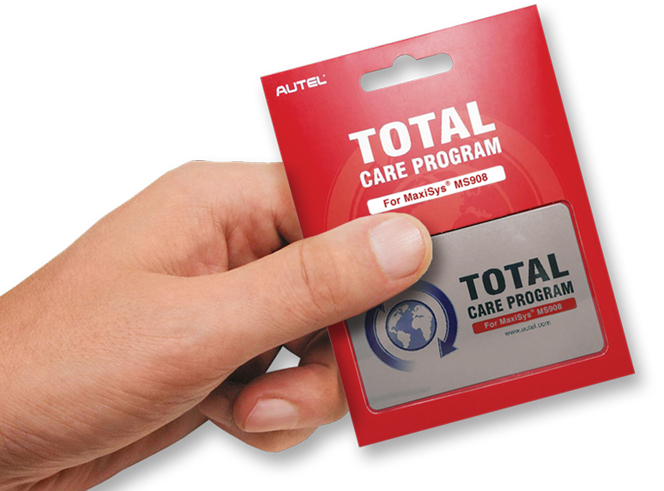
Pick up a card and enter the number from the back.
Find An Autel DealerRenewing right from the tool is quick and easy.
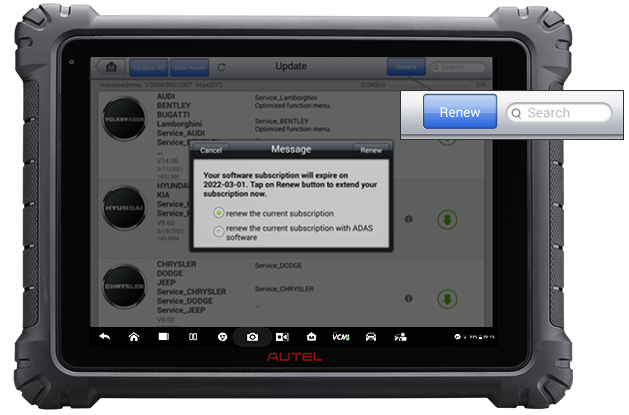
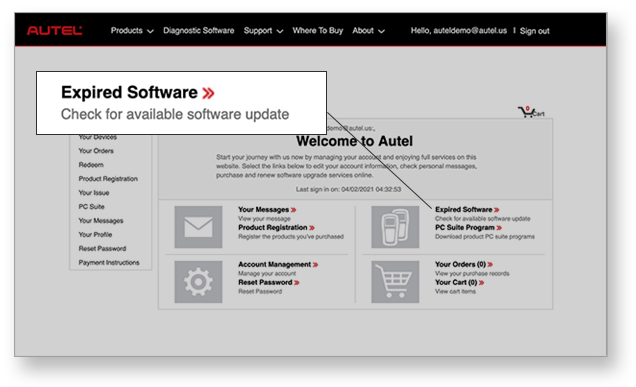
Visit pro.autel.com and sign in with your Autel ID. Click the "Expired Software" link to identify which of your tools needs a software update.
Buy Online Now
Our friendly support staff are happy to guide you through the update process.